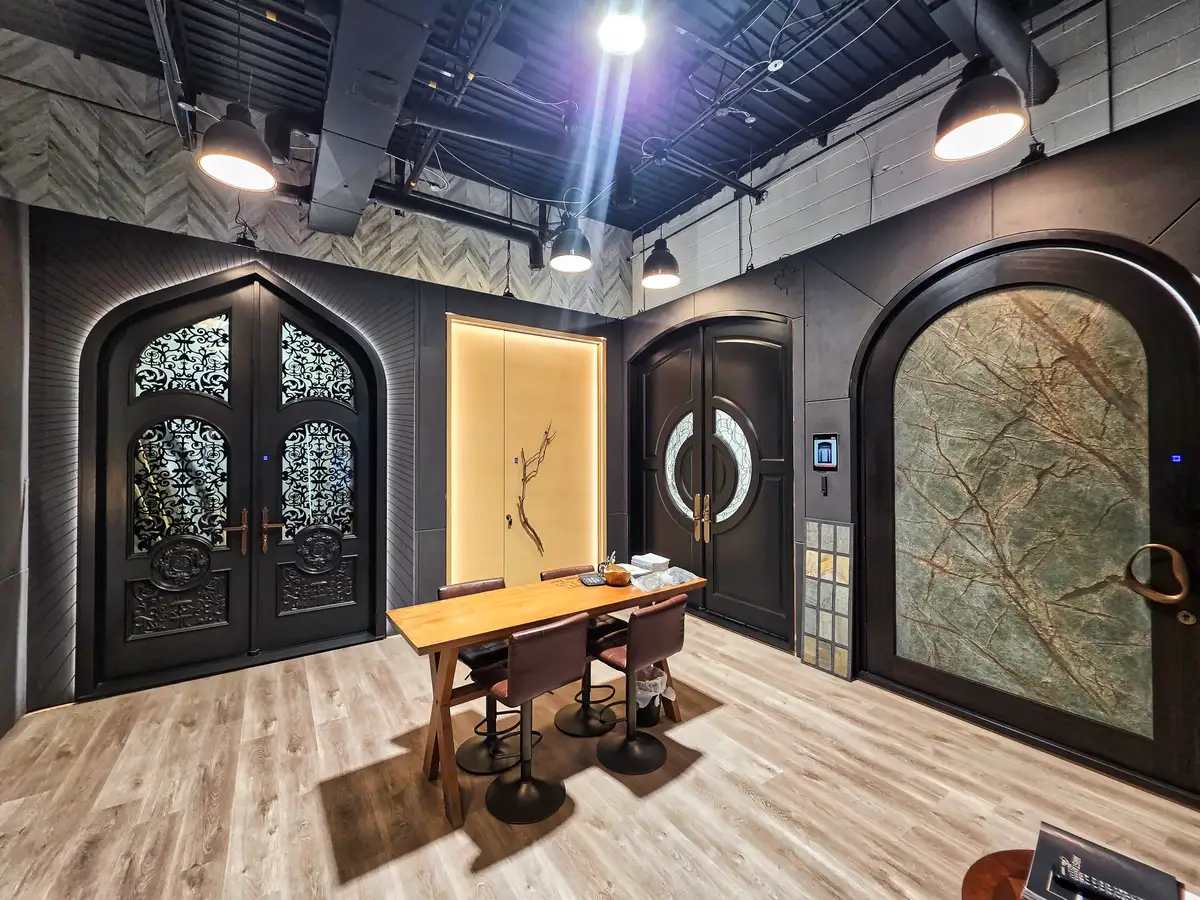
Brighten Up Your Space with a Stylish French Door
French doors bring natural light and a sense of openness to a room, while still offering the option to close a space off when needed. This guide covers the styles, benefits, and wood species to consider when choosing a French door for your home.
In This Article
A Brief History of French Doors
French doors originated in 17th-century France and spread through Great Britain before becoming a fixture of luxury homes in North America, particularly in New York City. Rooted in Renaissance architecture’s emphasis on symmetry and proportion, French doors were originally full-height windows leading to balconies, designed to bring natural light deep into a home. Over time they moved to ground-floor use, connecting interiors to courtyards and gardens, and today they’re available in a range of styles and materials.
Benefits of French Doors
Aesthetically Versatile
French doors complement contemporary, traditional, and rustic interiors alike. Their proportion and symmetry, combined with glass panes that create a sense of spaciousness, make them a strong fit across architectural styles.
Maximizing Natural Light
French doors bring light in from adjacent rooms or hallways without the cost of a full window installation. A single door suits smaller spaces, while double doors that meet in the center work well for opening up larger rooms, and both can be paired with sidelights for additional light and airflow.
Energy Efficiency
Modern French doors can be specified with dual-pane or double-glazed glass, which improves thermal efficiency compared to single-pane glazing, helping manage both heating and cooling costs depending on the season.
Connecting Living Spaces
French doors offer more versatility than an open archway or a standard single door. On an exterior application, they can open onto a patio, courtyard, or garden, creating continuity between indoor and outdoor space, while still allowing the option to close the space off when privacy or weather calls for it.
Styles of French Doors
Traditional French Doors
Full-length doors with glass panes, hinged on the sides and swinging open from the center. Commonly used for patio or balcony access. Arista builds custom French doors in single and double configurations to the dimensions of each opening.
Bi-Fold French Doors
Multiple panels that fold accordion-style to open the space fully, often used to divide rooms or as closet doors. For larger room divisions, interior pivot doors are another option, and our solid core vs. hollow core guide explains how construction affects sound and durability between rooms.
French Sliding Doors
Slide open horizontally rather than swinging, a practical choice for rooms with limited floor clearance, commonly used for patio or balcony openings.
Choosing a Wood Species
Wood species affects both the look and performance of a French door. Sapele Mahogany, our most popular exterior species, offers a rich, warm color and strong durability. White Oak provides a cleaner, more contemporary grain with good moisture resistance, making it suitable for exterior applications like patio doors. Red Oak offers a similar warm-toned alternative to White Oak. Poplar is a lighter, more budget-friendly option well suited to interior, paint-grade applications. For more on the two oak species, see our guide to white oak and red oak doors.
Maintaining French Doors
Regular cleaning and periodic inspection of hardware and locks keeps a French door functioning well over time. For a full cleaning and refinishing routine, see our guide on how to clean a wooden door.
Get a Quote for Custom French Doors
Every Arista French door is built to order, in the species, glazing, and configuration that fits your space.
Request a Free Quote
Or call us at +1 (905) 597-2120 to speak with our team directly.
Frequently Asked Questions
Are French doors energy efficient?
They can be, particularly with dual-pane or double-glazed glass, which improves thermal performance compared to single-pane options.
What is the best wood species for exterior French doors?
White Oak and Sapele Mahogany are both strong choices for exterior use, offering good moisture resistance and durability against weather exposure.
Can French doors be used to divide interior rooms?
Yes. French doors, including bi-fold configurations, work well as room dividers, offering more flexibility than a fixed wall while still allowing the space to be closed off when needed.