Design Guide – Decorative Wood DoorsCarved Wood Doors: A Guide to Decorative Front Door Craftsmanship
A carved wood door turns an entrance into a piece of architecture in its own right. From subtle linear reveals to deep relief panels, hand and machine carving give a front door a level of character that flat slabs simply can’t replicate. This guide covers the carving techniques, design styles, and practical considerations behind a genuinely well-built carved door.
What Is a Carved Wood Door?
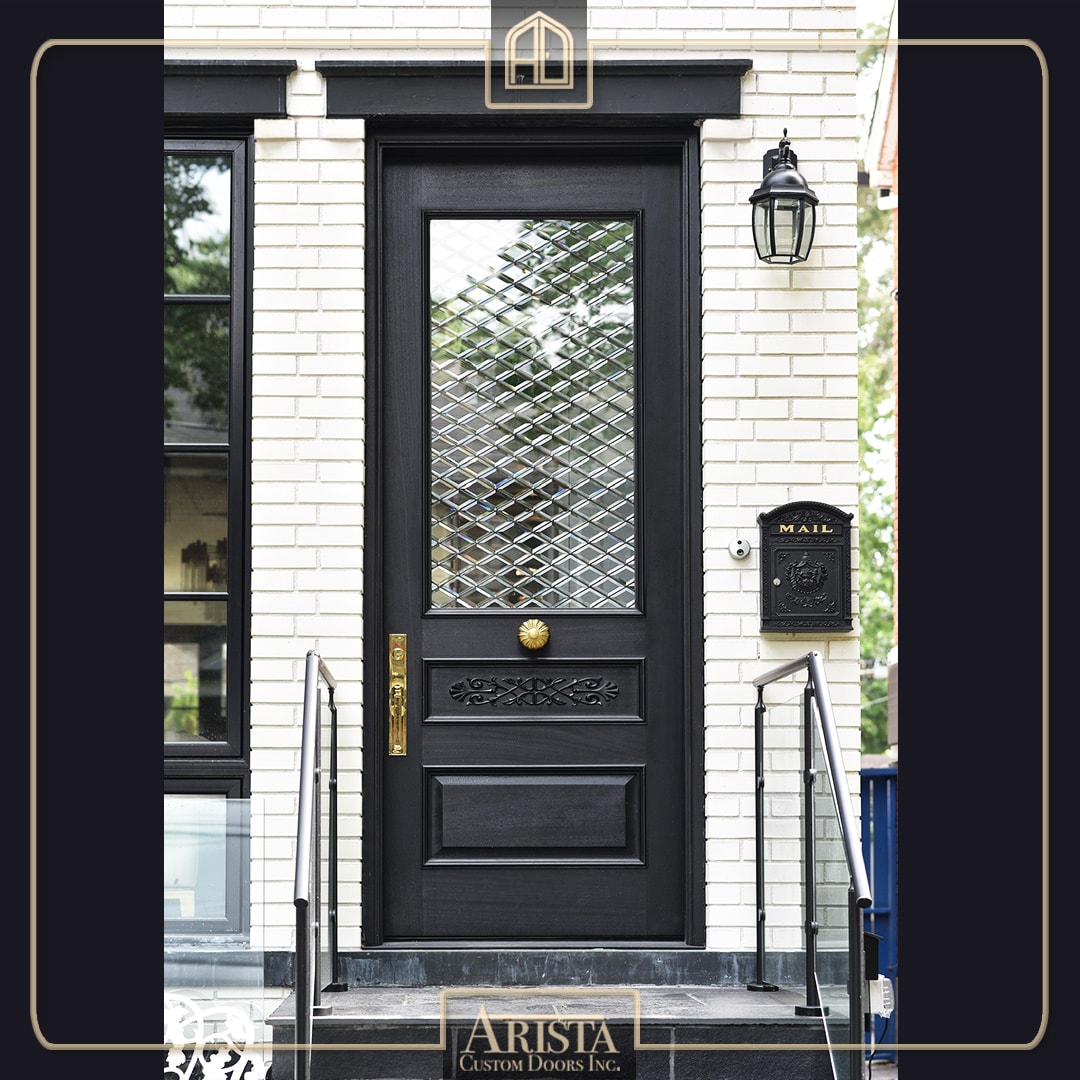
A carved wood door is a door slab into which a pattern, motif, or relief design has been cut directly into the wood surface, rather than applied as a separate decorative element. The carving can range from shallow, linear reveals that catch light and shadow subtly, to deep relief work with significant dimensional depth.
Carving differs fundamentally from applied molding or trim. Because the design is cut directly into the slab, a carved door reads as a single, integrated piece rather than a flat surface with decoration added on top, which is part of what gives genuinely carved doors their distinctive presence.
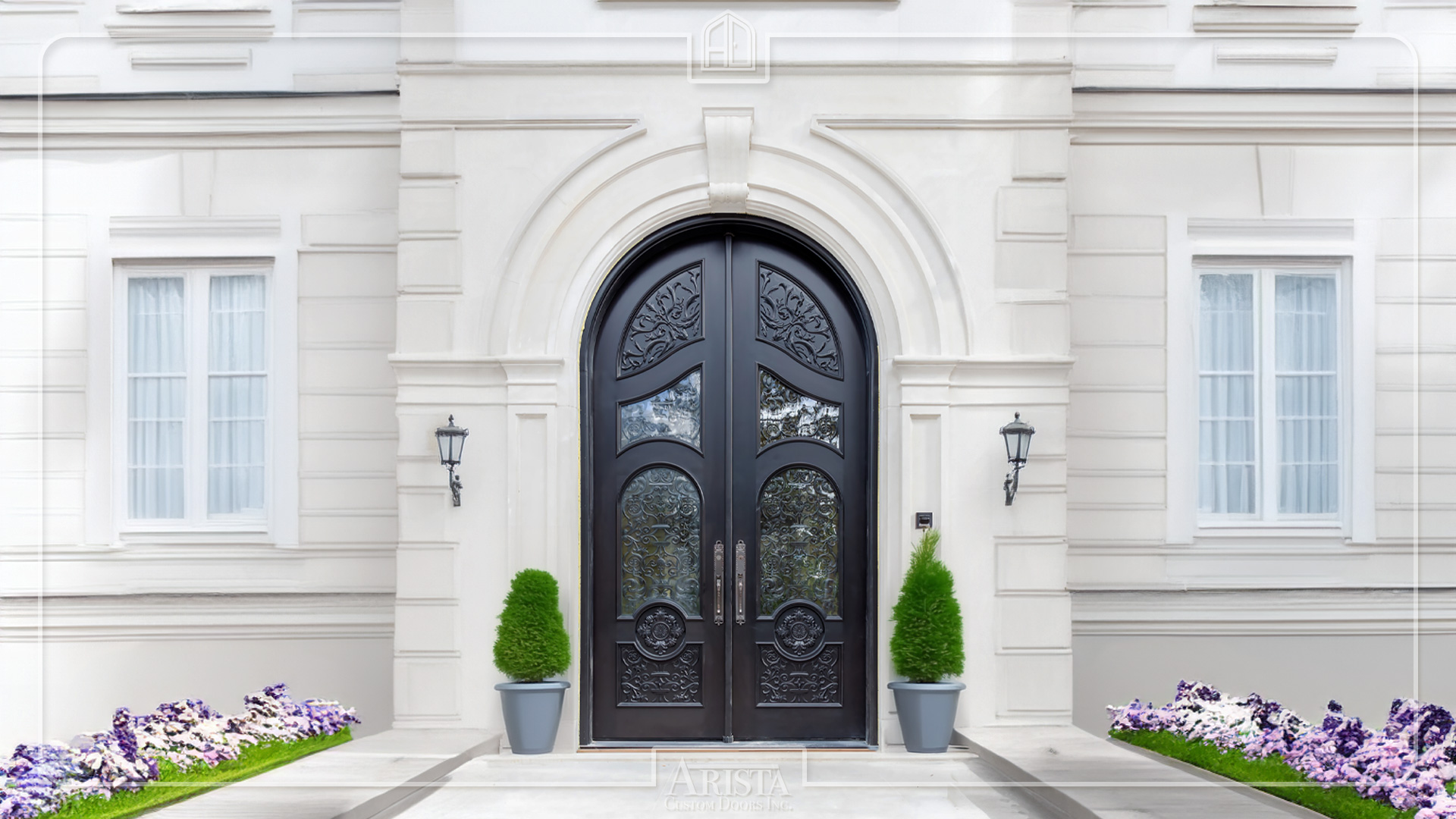
Carving Techniques
| Technique | Description | Visual Effect |
|---|
| CNC carving | Computer-controlled routing for precision and repeatability | Clean, consistent geometric or linear patterns |
| Hand carving | Traditional relief carving done entirely by a craftsman | Organic, one-of-a-kind detail with visible tool marks |
| Hybrid carving | CNC roughing followed by hand finishing | Combines precision with refined, hand-finished detail |
| Linear reveal carving | Shallow, repeated grooves or channels | Subtle texture and shadow play, modern in character |
| Deep relief carving | Significant material removal for dimensional motifs | Bold, traditional, highly tactile presence |
CNC carving has become increasingly common for custom doors because it allows for highly precise, repeatable patterns, particularly useful when a design needs to be mirrored across a pair of doors or matched across multiple units in a project. Hand carving remains the standard for fully custom, one-of-a-kind relief work where each cut is unique.
Carved Door Design Styles
Carved doors span a wide range of design languages, and the carving technique chosen often follows directly from the style being pursued.
Traditional relief carvingDeep, ornate motifs, often botanical or architectural, associated with classical and heritage-style entrances.
Geometric and Art Deco patternsPrecise, repeating linear or angular designs, well suited to CNC carving for consistency.
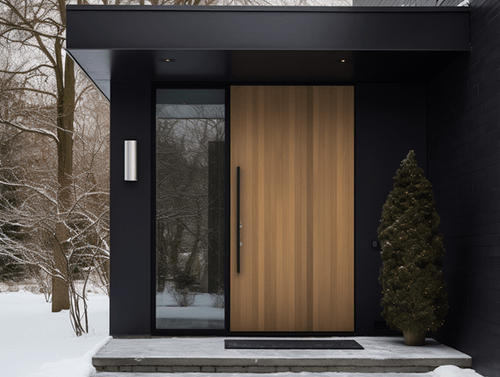
Modern linear revealsSubtle, shallow grooves that add texture without departing from a contemporary aesthetic.
Cultural and regional motifsCarved patterns drawing on specific architectural or cultural traditions, often custom-designed per project.
For homeowners pursuing a more restrained, contemporary entrance, linear reveal carving offers a way to introduce texture and craftsmanship without working against the clean lines favored in modern design. See our guide to modern front door design for how subtle carved detail can complement a minimalist entrance.
Best Wood Species for Carving
Not every wood species carves equally well. Tighter, more consistent grain holds fine detail better and is less prone to chipping or splintering during the carving process, which matters significantly for intricate or deep relief work.
| Species | Carving Suitability | Notes |
|---|
| White oak | Excellent | Tight, consistent grain holds fine detail well |
| Mahogany / Sapele | Excellent | Traditional choice for deep relief carving, stable and workable |
| Walnut | Very good | Rich tone with good detail retention, slightly softer than oak |
| Cherry | Good | Fine, even grain suited to moderate relief depth |
For more on how species selection affects an exterior door overall, including grain character and finish behavior, see our guide to oak doors.
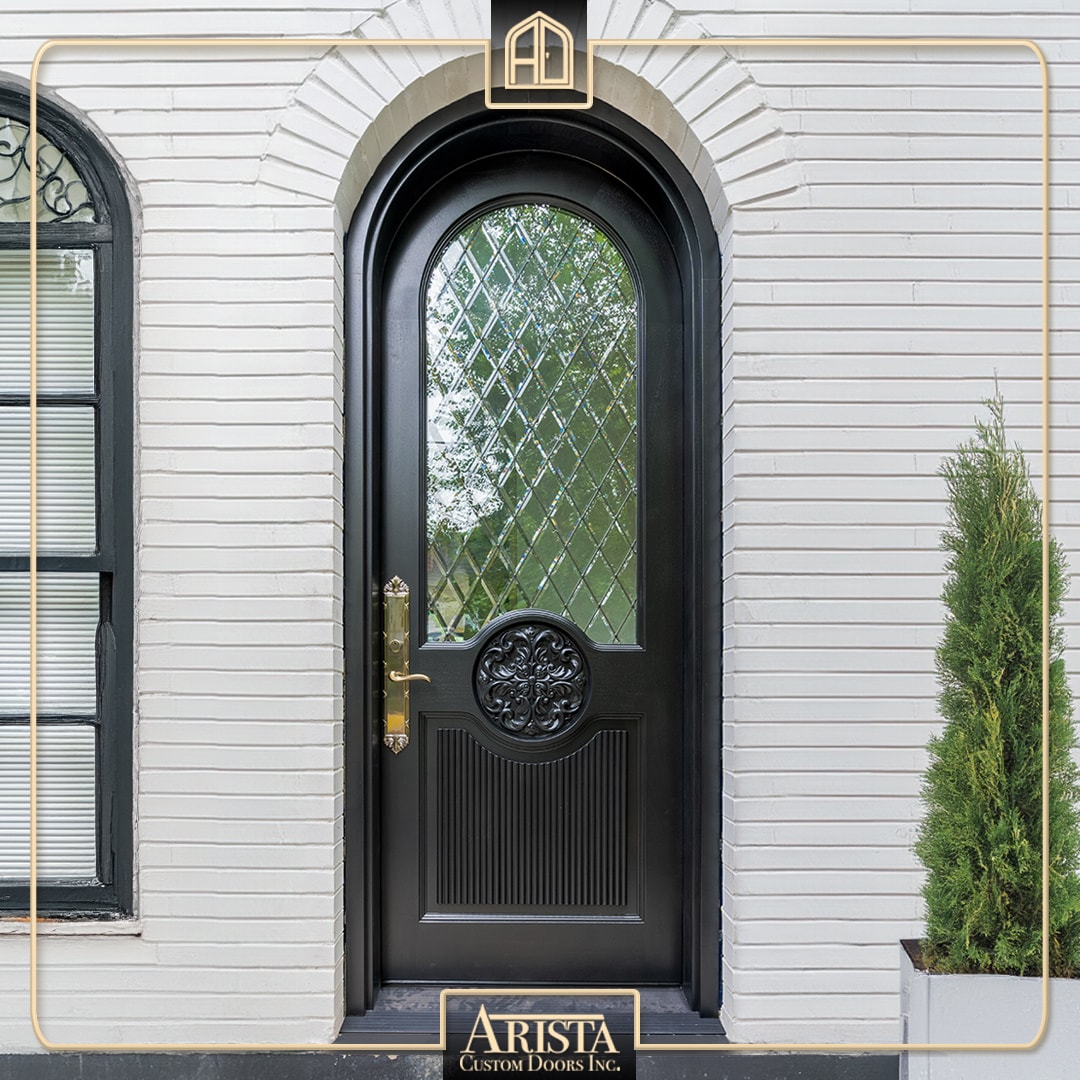
A1900
Durability and Exterior Performance
Carved detail on an exterior door faces the same environmental demands as the rest of the slab, with one added consideration: deeper carving creates more surface area and more edges where finish must be properly applied and maintained. Crevices and undercuts in deep relief work require careful attention during finishing to ensure full sealant coverage.
This is one of the reasons engineered wood construction matters for carved exterior doors specifically. A stable, engineered core reduces the risk of the surrounding slab warping or shifting in a way that could stress or crack a carved pattern over time, particularly important for deep relief work where the carved sections are structurally thinner than the surrounding wood.
The deeper the carving, the more the finish and the substrate matter. A beautiful pattern carved into an unstable core won’t stay beautiful for long.
Designing a Custom Carved Door
A fully custom carved door typically begins with a design conversation: the architectural style of the home, the depth and complexity of carving desired, and whether the design should be symmetrical, asymmetrical, or part of a larger motif spanning sidelights or a transom. From there, the pattern is drafted, reviewed, and refined before carving begins.
Because carved doors are inherently bespoke, lead times are typically longer than for a standard slab, particularly for hand-finished or deep relief work. Planning carved door selection early in a renovation or build timeline helps avoid delays at the finishing stage of a project.
Designing a Carved Entrance for Your Home?
Arista’s Toronto workshop builds fully custom carved doors, from subtle modern reveals to deep traditional relief work, in engineered hardwood construction.
Request a Free Quote
Or explore our custom exterior door collection.
Frequently Asked Questions
What is a carved wood door?
A carved wood door is a door slab with a pattern or relief design cut directly into the wood surface, rather than applied as separate decorative trim. Carving can range from shallow linear reveals to deep, dimensional relief work.
Is CNC carving as good as hand carving?
CNC carving offers excellent precision and consistency, particularly for geometric or repeated patterns, while hand carving offers fully unique, one-of-a-kind detail. Many custom doors use a hybrid approach: CNC roughing followed by hand finishing for the best of both.
What wood species carves best?
White oak and mahogany are generally considered the best species for carving due to their tight, consistent grain, which holds fine detail well and resists chipping during the carving process. Walnut and cherry are also good choices for moderate detail work.
Are carved doors more difficult to maintain?
Carved doors, particularly deep relief designs, have more surface area and more edges that require careful finish application and ongoing maintenance compared to a flat slab. Proper sealing of all carved crevices is important for long-term exterior performance.
How long does it take to build a custom carved door?
Custom carved doors generally have longer lead times than standard slabs, particularly for hand-finished or deep relief work, since the design must be drafted, reviewed, and carved before finishing begins. Planning early in a renovation timeline helps avoid delays.
Written by
Arista Doors Editorial Team
Custom door specialists based in Toronto, Ontario. Building bespoke carved and engineered wood doors since 2005.